
Introduction
Long before modern pipes, pumps, or German-engineered filters existed, our ancestors were already solving one of humanity’s greatest challenges — water scarcity. Across India and the world, ancient civilizations developed remarkably sophisticated systems to capture, store, and reuse rainwater. These were not primitive guesses — they were engineered solutions born out of deep observation of nature, passed down through generations, and built into the very culture and architecture of entire societies.
At RPV Enterprises, we believe that understanding this ancestral wisdom is the first step toward embracing modern rainwater harvesting with the same reverence and purpose our forefathers carried.
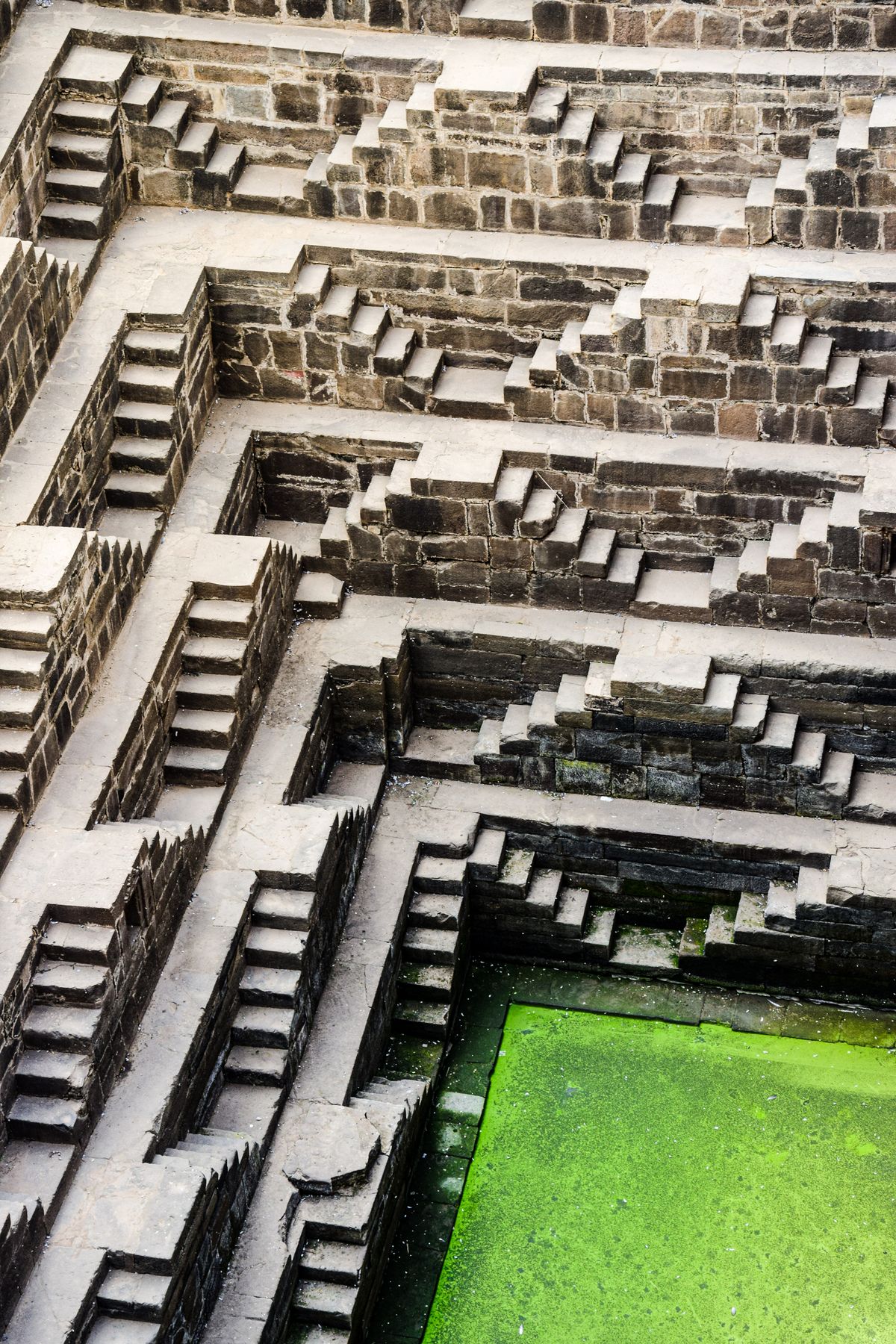
1. The Stepwells of India (Vav & Baoli) — Engineering Meets Architecture
India’s stepwells, known as Vav in Gujarat and Baoli in North India, are among the oldest and most breathtaking rainwater harvesting structures in the world. Dating back to 3000 BCE, these multi-storied underground chambers collected monsoon rainwater through natural percolation and stored it for year-round use.
The Rani ki Vav in Patan, Gujarat — now a UNESCO World Heritage Site — could store millions of litres of water while maintaining cool temperatures naturally. These weren’t just functional — they were community spaces, places of worship, and architectural marvels.
Modern Parallel: Today’s underground rainwater storage tanks with WISY inlet and suction systems work on the same gravity-driven, contamination-free principle our ancestors perfected thousands of years ago.
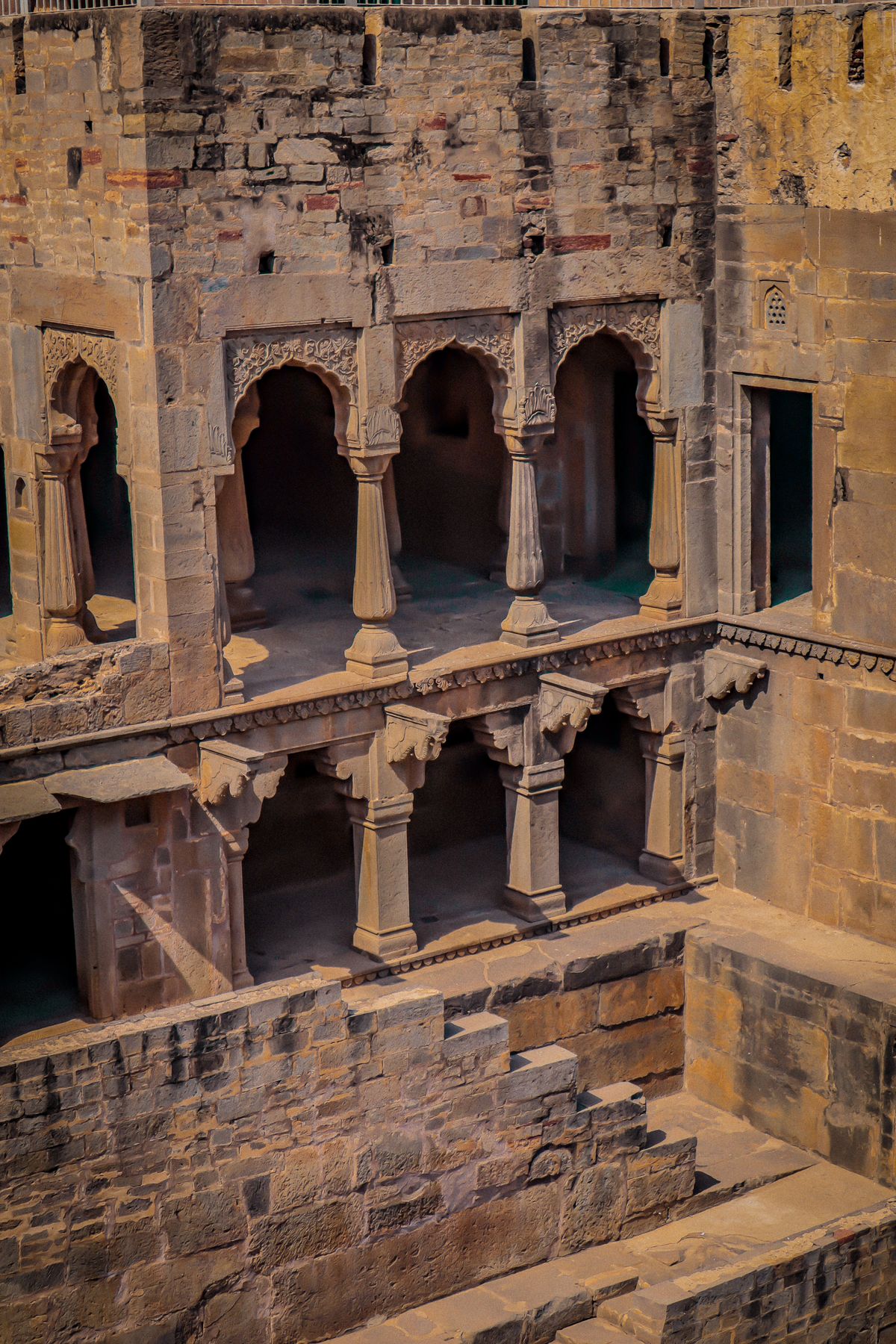
2. The Eri System of Tamil Nadu — Community Water for All
Closer to home in Tamil Nadu, the ancient Eri (tank) irrigation system is one of the most remarkable examples of community-managed rainwater harvesting. Thousands of interconnected Eris were built across the state over 2,000 years ago, channelling monsoon rainwater across terraced fields, replenishing groundwater, and preventing floods — all at once.
These Eris were maintained by local communities under the traditional Kudimaramathu system — a model so effective that the Tamil Nadu Government has revived it in recent years as a formal policy.
Modern Parallel: The WISY WFF 300 filter system used in modern rainwater harvesting mirrors this principle — capturing, filtering, and directing rainwater efficiently before it reaches storage tanks.
3. Rooftop Harvesting in Ancient Architecture
Traditional Indian homes — from temple towns in Tamil Nadu to the havelis of Rajasthan — were built with sloped roofs, inner courtyards (aangan), and clay pot systems specifically designed to channel rainwater into underground cisterns (tanka). In Rajasthan, the tanka system is one of the world’s first documented closed rainwater storage systems, keeping water clean and cool for months.
Rooftop slope, catchment area, and storage capacity were not accidental — they were calculated by master craftsmen who understood hydrology long before the word existed.
Modern Parallel: RPV Enterprises’ WISY Downpipe Filters and WFF 100/150 systems are designed exactly for modern rooftop rainwater collection — carrying forward this 2,000-year-old tradition with German precision engineering.
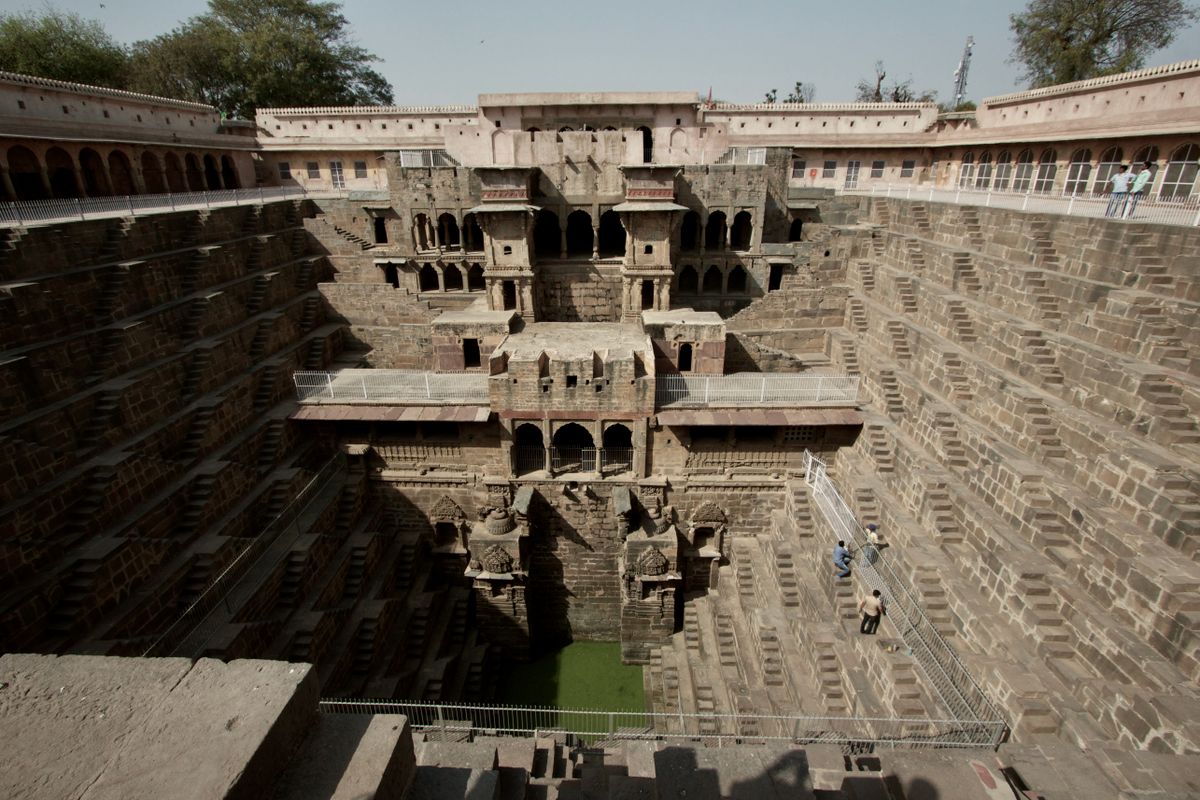
4. Kunds — The Desert’s Answer to Water Scarcity
In the arid regions of Rajasthan and Gujarat, Kunds were circular underground cisterns plastered with lime to collect and store rainwater. Built in the centre of a specially sloped catchment area, Kunds could collect thousands of litres from a single monsoon — sustaining families and livestock through the driest months of the year.
The precision with which the slope angle and catchment surface were calculated remains impressive even by modern engineering standards.
5. What Modern Rainwater Harvesting Owes to Our Ancestors
The fundamental principles remain unchanged — collect, filter, store, reuse. What has changed is precision, efficiency, and scale. Modern WISY filtration systems by RPV Enterprises add a layer of high-performance stainless-steel fine filtration that removes debris, leaves, and contaminants at the point of entry — something our ancestors achieved through layered sand and gravel filters.
The lesson from our ancestors is this: water is not a resource to be taken for granted. It is a heritage to be protected.
Conclusion — Honoring the Past, Protecting the Future
Our ancestors didn’t have modern technology, but they had something equally powerful — respect for nature and the wisdom to work with it. As India faces growing water stress, the revival of rainwater harvesting — now backed by state government mandates in Tamil Nadu, Karnataka, and Maharashtra — is not a new idea. It is an ancestral practice coming home.
RPV Enterprises is proud to be part of this journey — bringing world-class WISY rainwater harvesting systems from Germany to Indian homes, industries, and institutions, and helping a new generation honor what our ancestors always knew.
📞 Ready to install a rainwater harvesting system? Contact RPV Enterprises today or call +91 81223-00301.